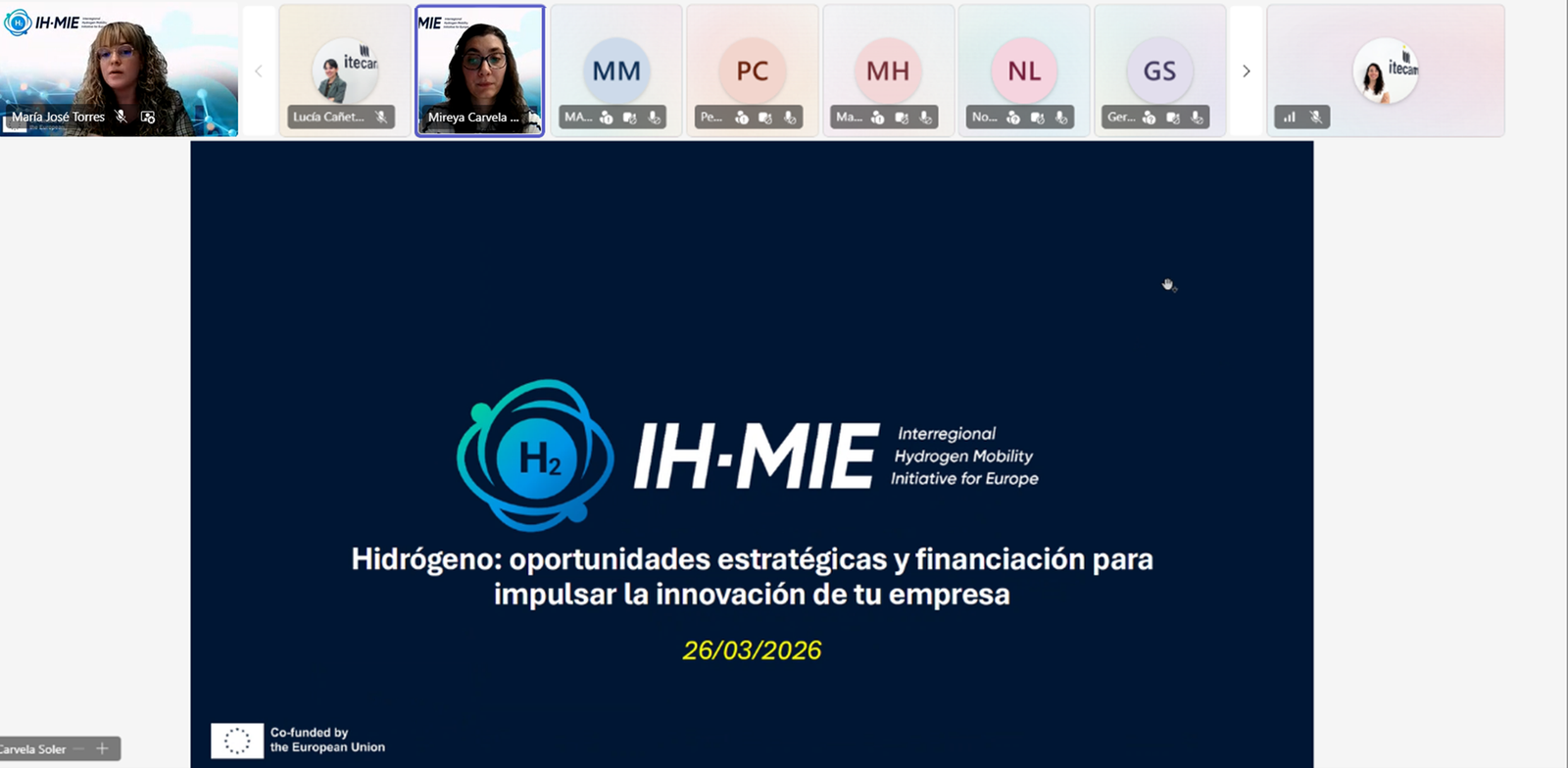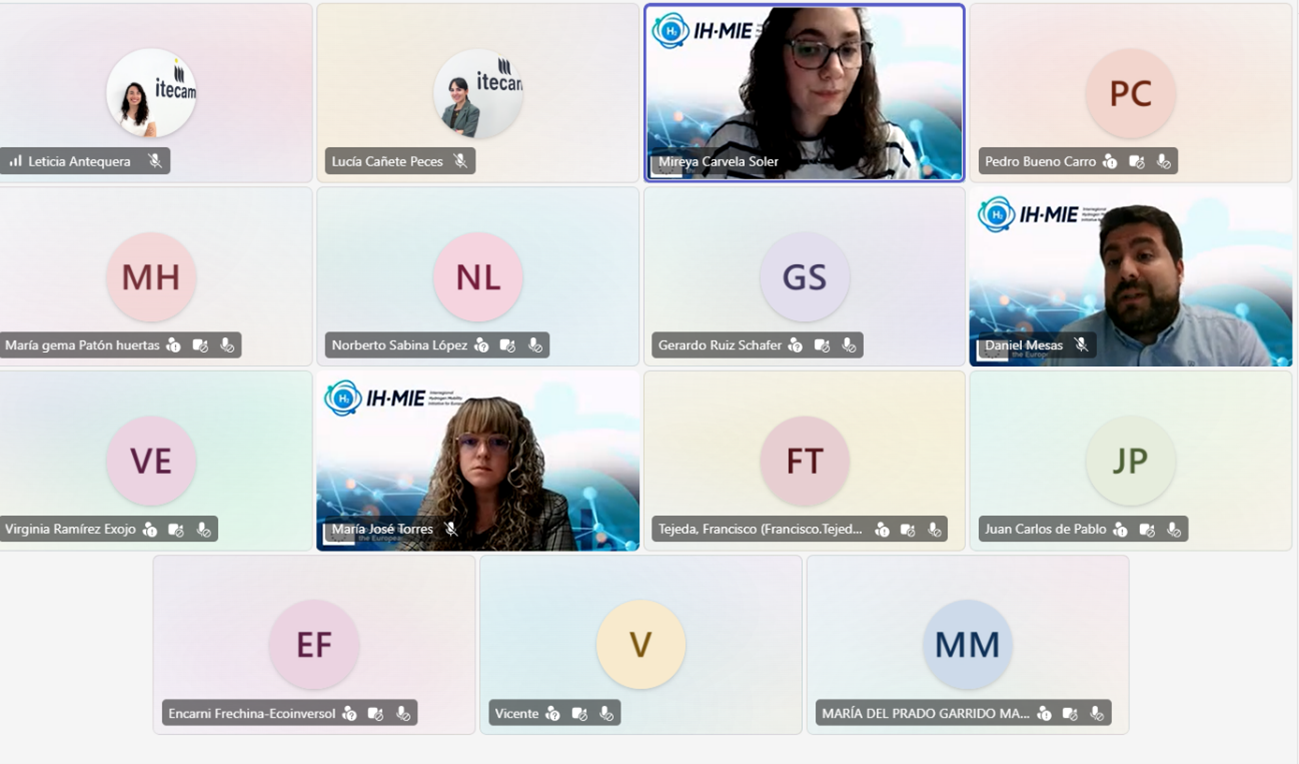
On 𝟐𝟔 𝐌𝐚𝐫𝐜𝐡 𝟐𝟎𝟐𝟔, Itecam – Centro Tecnológico Industrial de Castilla La Mancha hosted the 𝐈𝐇-𝐌𝐈𝐄 𝐑𝐞𝐠𝐢𝐨𝐧𝐚𝐥 𝐖𝐨𝐫𝐤𝐬𝐡𝐨𝐩, bringing together 14 participants from public authorities, academia, industry, and SMEs to explore the hydrogen mobility ecosystem in Castilla-La Mancha.
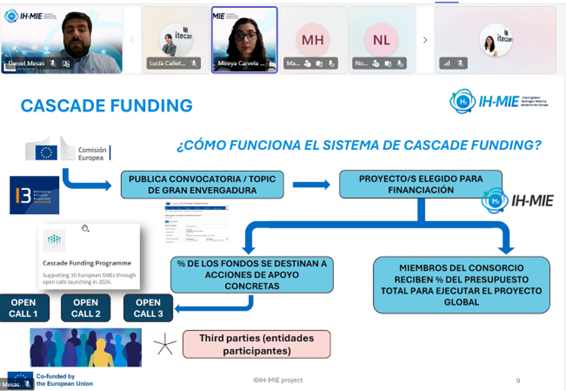
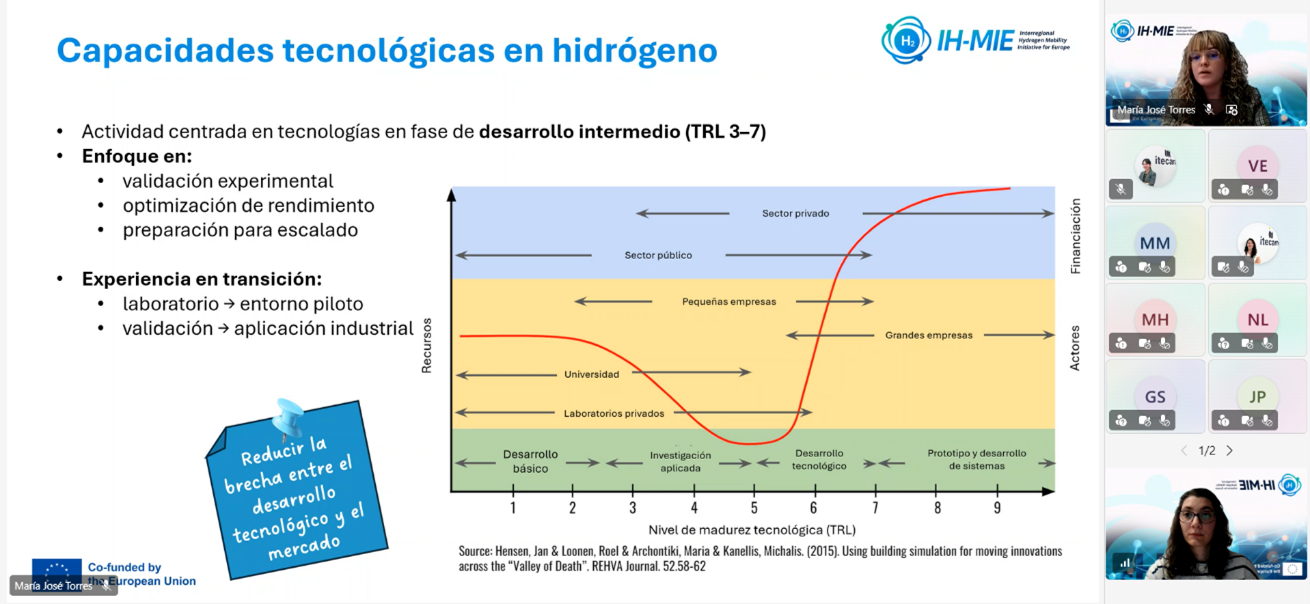
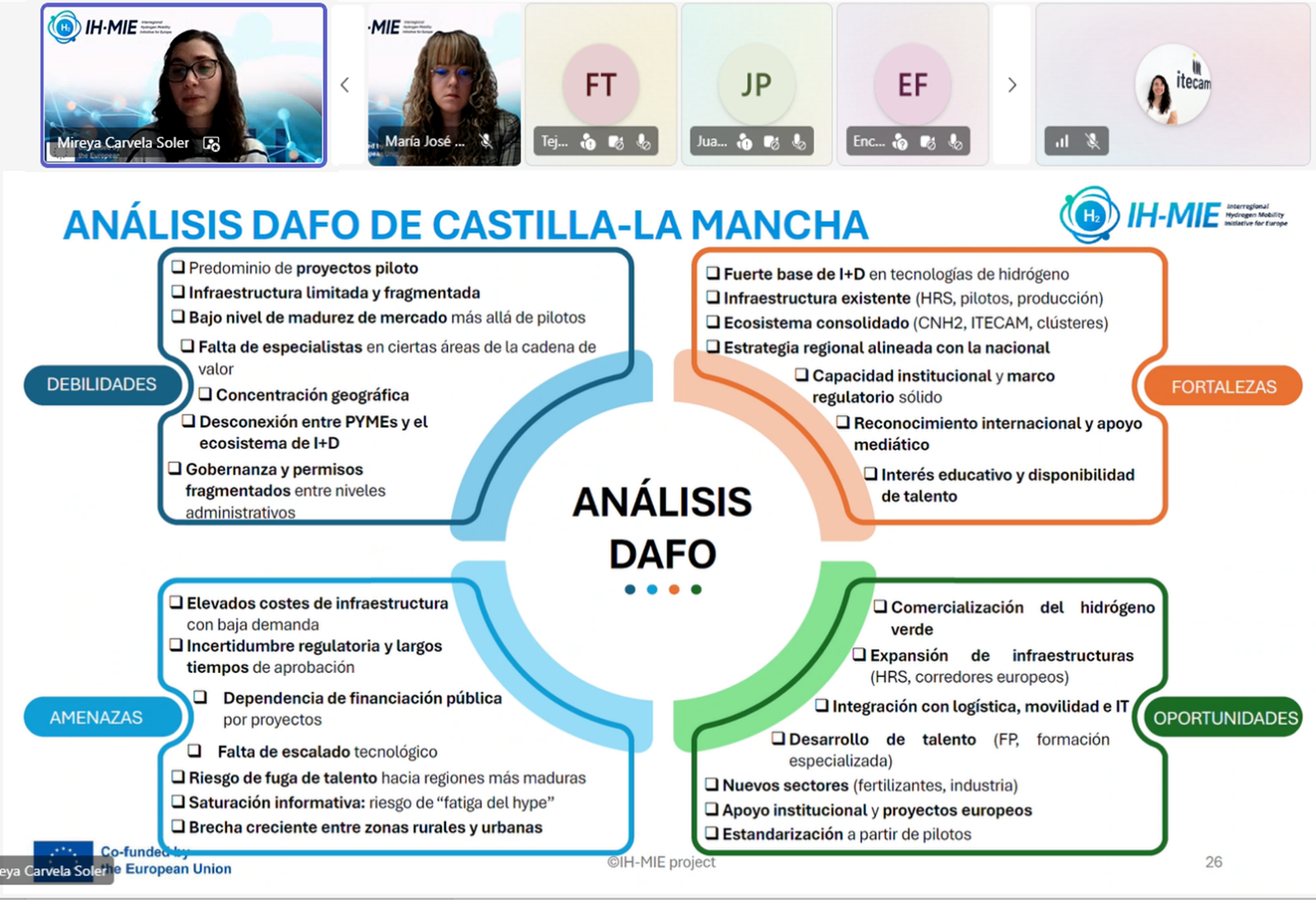
The session combined a structured presentation of the regional SWOT analysis with discussions on cascade funding and ITECAM’s technological capabilities, creating a focused platform to assess ecosystem maturity and identify key development barriers.
During the workshop, participants highlighted several structural challenges shaping hydrogen development in the region:
• Limited infrastructure across the value chain (production, storage, distribution, HRS), constraining deployment
• Difficulty scaling technologies beyond pilot phase due to low maturity, performance limitations, and lack of system integration
• Regulatory complexity and administrative burden, including fragmented permitting processes and uncertainty
• Limited SME participation, driven by access barriers to infrastructure, funding, and complex procedures
• Low market readiness and demand, reinforcing dependence on public funding and slowing commercialization
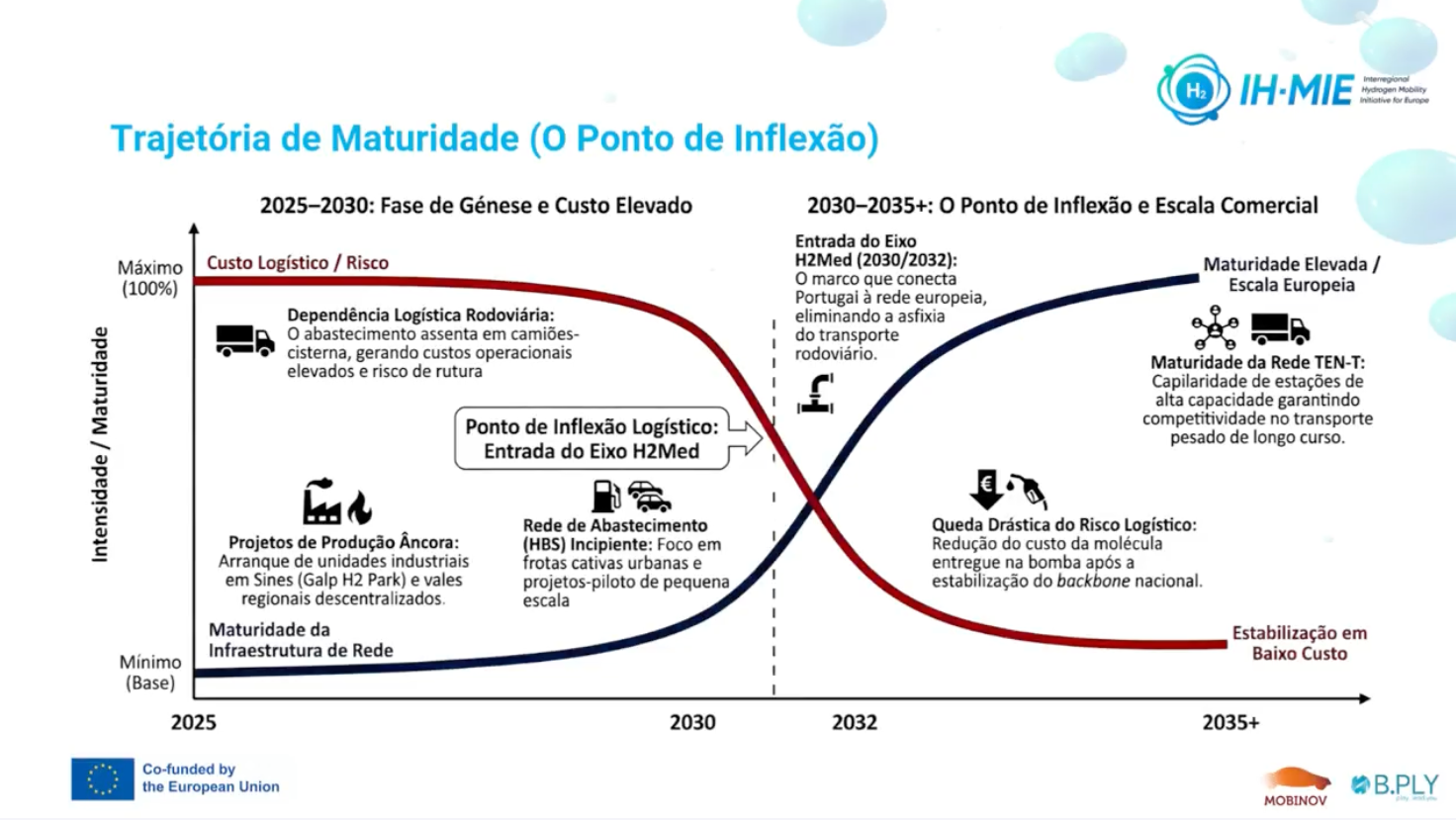
A key conclusion emerged: the main bottleneck lies in the transition from pilot to large-scale deployment, where technological, regulatory, and infrastructure challenges are strongly interconnected.
Despite these barriers, the region demonstrates strong research and demonstration capacity, active stakeholder engagement, and clear opportunities in infrastructure expansion, green hydrogen commercialization, and talent development.
Overall, the findings highlight the need for a coordinated approach—combining technological scaling, regulatory simplification, and market support—to unlock the full potential of the hydrogen ecosystem.
The insights from Castilla-La Mancha will contribute to the upcoming 𝐈𝐇-𝐌𝐈𝐄 𝐢𝐧𝐭𝐞𝐫𝐫𝐞𝐠𝐢𝐨𝐧𝐚𝐥 𝐫𝐨𝐮𝐧𝐝𝐭𝐚𝐛𝐥𝐞 on 𝟐𝟒 𝐀𝐩𝐫𝐢𝐥 𝟐𝟎𝟐𝟔, supporting cross-regional cooperation and alignment ahead of the demonstration phase.
Cofunded by the European Union. Views and opinions expressed are those of the author(s) only and do not necessarily reflect those of the European Union or the European Innovation Council and SMEs Executive Agency (EISMEA). Neither the European Union nor the granting authority can be held responsible for them.
Implemented within the Interregional Innovation Investments (I3) Instrument project “IH-MIE – Interregional Hydrogen Mobility Initiative for Europe” (Grant Agreement No. 101228317).